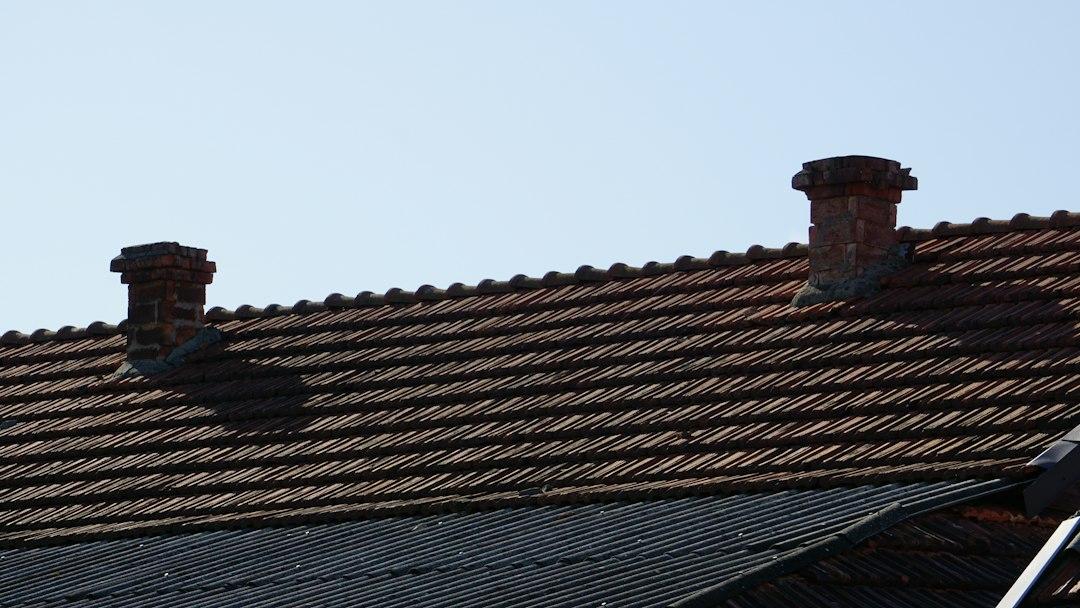
Why cap prices differ
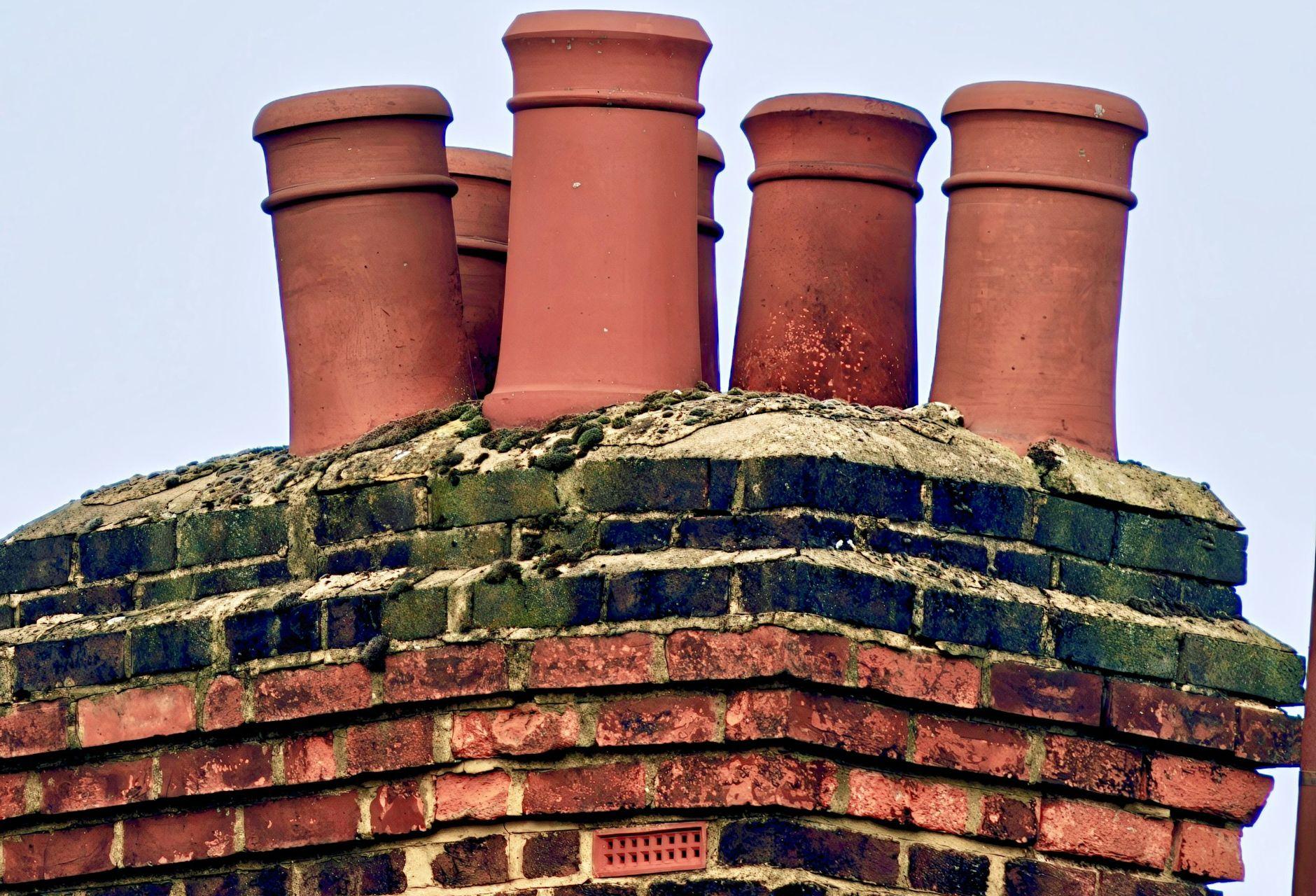
An installed chimney cap is quoted after we measure. Caps differ because chimneys differ. Compare the simplest job with the biggest one. The simplest is a single round or square flue on a one-story house, where a standard cap clamps on and the job is quick. The biggest is a custom-made cover over a wide chase holding several flues on a two-story building, built to measure and fixed to the chase.
Most single rental houses in Westminster are simple jobs. Condo buildings with shared chases cost more, but the price per unit served often comes out lower than capping each flue on its own.
Why owners fit caps first
A cap is a small fitting, yet it is one of the few parts of a chimney that prevents more than one kind of trouble.
- Rain stops falling straight into the flue, which is the most common source of a damp, sour-smelling firebox after a storm.
- Birds, rats and raccoons stop treating the flue as a nest site. A nest in a gas vent is a carbon monoxide problem, not just a mess.
- Embers from a wood fire are held back by the mesh instead of drifting onto the roof, a neighbor's roof or dry landscaping when the Santa Ana winds blow.
For a landlord, each of those is also a tenant call avoided. A missing cap shows up on almost every inspection report we write for an older rental, and it is usually the first item an owner approves.
What sets the cap price
- Flue count and layout. One flue takes one cap. Two or three flues can each take a cap, or one cover can protect them all at once. We price both where both fit.
- Chimney type. A masonry chimney with clay tile flues takes a cap that clamps to the tile or bolts to the crown. A factory-built metal flue takes the cap its maker lists for that flue; a generic cap can break that listing, so we match the part.
- Metal. Galvanized steel is the cheapest and the shortest lived, especially with marine air drifting inland. Stainless steel is our usual choice on Westminster rentals. Copper costs more and suits buildings where the owner cares how the roof looks from the street.
- Mounting. Clamping to a sound tile is quicker than anchoring to a crown or a chase top.
- Roof. A two-story building, a steep pitch or a tile roof adds setup time.
- What is already there. A rusted old cap has to come off first, and sometimes the screws have rusted into the tile.
Pricing a building with several chimneys
On a complex, we count chases first and flues second. Stacked units often share one chase with two to four metal flues inside. A single cover sized to the chase can serve all of them, and it also shades the chase top from direct rain.
Caps on a shared chase are usually common area, so the association, not the unit owner, approves and pays. We write the quote with that split marked, and each chase gets its own line with the units it serves listed beside it.
Tell us through the form how many chimneys the roof has and roughly how many flues come out of each, and we return a written price per chimney.
What we check while we are up there
A cap only stops water that falls into the flue. While fitting one, we look at the rest of the top of the chimney, because those parts decide whether the leak problem is really solved.
- The crown or the chase top: cracked, dished or rusted surfaces let water in beside the flue, not through it.
- The flashing where the chimney meets the roof.
- The brick and mortar near the top.
If any of those need work, they go on a separate line. Our list prices a leak repair at $530 to $3,150, and a cricket behind a wide chimney at $425 to $955. Crown and chase top repairs are priced on a written scope once we have measured. The cap itself is never held up by those items; the owner can approve it on its own.
Our chimney leak repair and chimney chase cover pages go into those jobs.
Scheduling around tenants
Cap work happens on the roof, so most visits need no entry into the unit at all. We still ask the manager to tell the tenants, because a crew on the roof is noisy and a tenant who knows why is a tenant who does not call the owner. If the fireplace is in use that season, we ask that it not be lit on the day of the work.
The record for the file
Every cap we fit gets a record with the address, the chimney or chase, the flues it covers, the metal, the date and a photo of the finished cap. For a building, those records are grouped by chase so the board or owner can see the whole roof at a glance.
That record matters later. An insurer asking about an ember screen, a buyer's inspector noting a cap, or a tenant blaming a smell on the chimney can all be answered with one page.
Where to go next
The chimney cap installation page lists the full scope of a cap job. If a cap came up as a finding on an inspection report, the up to code repairs page shows how it fits with the other usual fixes.
For a price on the caps your Westminster roofs need, start a request on our contact page.
Have Rentals That Need This Done?
Curtis Chimney Company works for landlords, managers and HOA boards from Westminster across Orange County: visits grouped by building, a report under each unit number, and repairs only after a signed scope.