The board is buying records
A homeowners association rarely hires a chimney contractor because one fireplace broke. It hires one because the reserve study, the insurer or a resident complaint has put chimneys on the agenda. What the board needs at the end is not just a crew that showed up. It needs a set of records it can file, act on and show to the next board.
That changes how bids should be compared. A low number with a thin report is worse value than a fair number with a report the board can use for years.
Write the scope before asking for bids
Bids only compare cleanly when every firm prices the same thing. Before contacting anyone, the board or its manager can settle these points in a one-page scope:
- Units. How many units have a fireplace, how many buildings, and which units have more than one.
- Ownership. Which parts the CC&Rs give the association (usually chases, caps, chase tops and roof flashing) and which belong to the unit owner (usually the firebox, glass, logs and valve).
- Level. Visual Level 1 across the board, with a Level 2 camera pass only where a finding or a change calls for it.
- Access. Who holds roof keys, how residents are notified, and what happens when a unit is not opened.
- Report. One record per fireplace, identified by unit number, plus a summary by building.
- Repairs. Priced separately and approved by the board before any work starts.
With that page in hand, every bid has to answer the same questions, and the board can line them up.
What each bidder should show
Ask every firm on the list for the same things and compare them side by side.
- A sample record. One real page, with names removed. Check that it shows the unit, the date, photos and a finding a resident could understand.
- The per-unit price. A lump sum for the complex hides what each unit costs and makes later partial work hard to price.
- How missed units are handled. A bid that assumes every door opens on the first pass will grow later.
- How repairs are quoted. Itemized, with a price per line, and never started on the day without board approval.
- One contact. The board or manager should know who answers for the job from first visit to final record.
- Vendor paperwork. Whatever your management agreement requires from contractors. Ask for the documents and check them yourself.
Warning signs in a bid
- An inspection priced far below the going rate and tied to a long repair list on the same visit.
- A report with no photos or with photos not tied to a unit.
- Findings written in jargon a resident would need translated.
- No mention of which repairs fall to the association and which to unit owners.
- Pressure to approve repairs before the board meets.
How we price for an association
Our figures are published, so the board can do the arithmetic before it calls us.
- A Level 1 visual inspection is $160 per fireplace.
- A Level 2 camera inspection is $370 per fireplace, used only where a finding, a new appliance, a stain or a sale calls for it.
- A wood flue that needs sweeping before it can be inspected is from $395.
- A cap on a common-area chase is quoted on site, and the price depends on the chase and the number of flues it covers.
Leak repairs on common chimneys are $530 to $3,150 on our list. Chase tops, crowns and liners go on a written scope with one line per building.
List the buildings, the units with fireplaces and the parts your CC&Rs give the association through the form, and a written bid comes back in the same shape as your scope.
Resident notices and the visit
The manager sends the entry notice to residents in the format the association already uses. We work building by building, so notices can go out in blocks. On the day, the crew covers the floor in front of each hearth, does the unit check, then does the roof parts for the whole building in one pass.
Residents who are not home are listed for a return visit. The manager gets that list at the end of each building, not weeks later in a final report.
What the board receives
The package we hand over has three parts:
- A summary by building, listing each unit with its fireplace type and its finding group: no action, plan a repair, or do not light.
- One record per fireplace, with photos and the finding in plain words.
- Two repair scopes, one for association items and one listing unit-owner items the board can forward to each owner.
That last split saves the most board time. Owners receive a page that tells them what is theirs to fix, and the board is not left to sort it out line by line.
Westminster complexes in particular
Many associations in Westminster were built in the 1970s and 1980s, with gas fireplaces vented through metal flues inside framed chases. On those roofs, the common findings are rusted chase tops, missing or worn caps and flashing that has outlived the roofing around it. The fireplaces themselves are usually in reasonable shape apart from dirty glass and tired pilots.
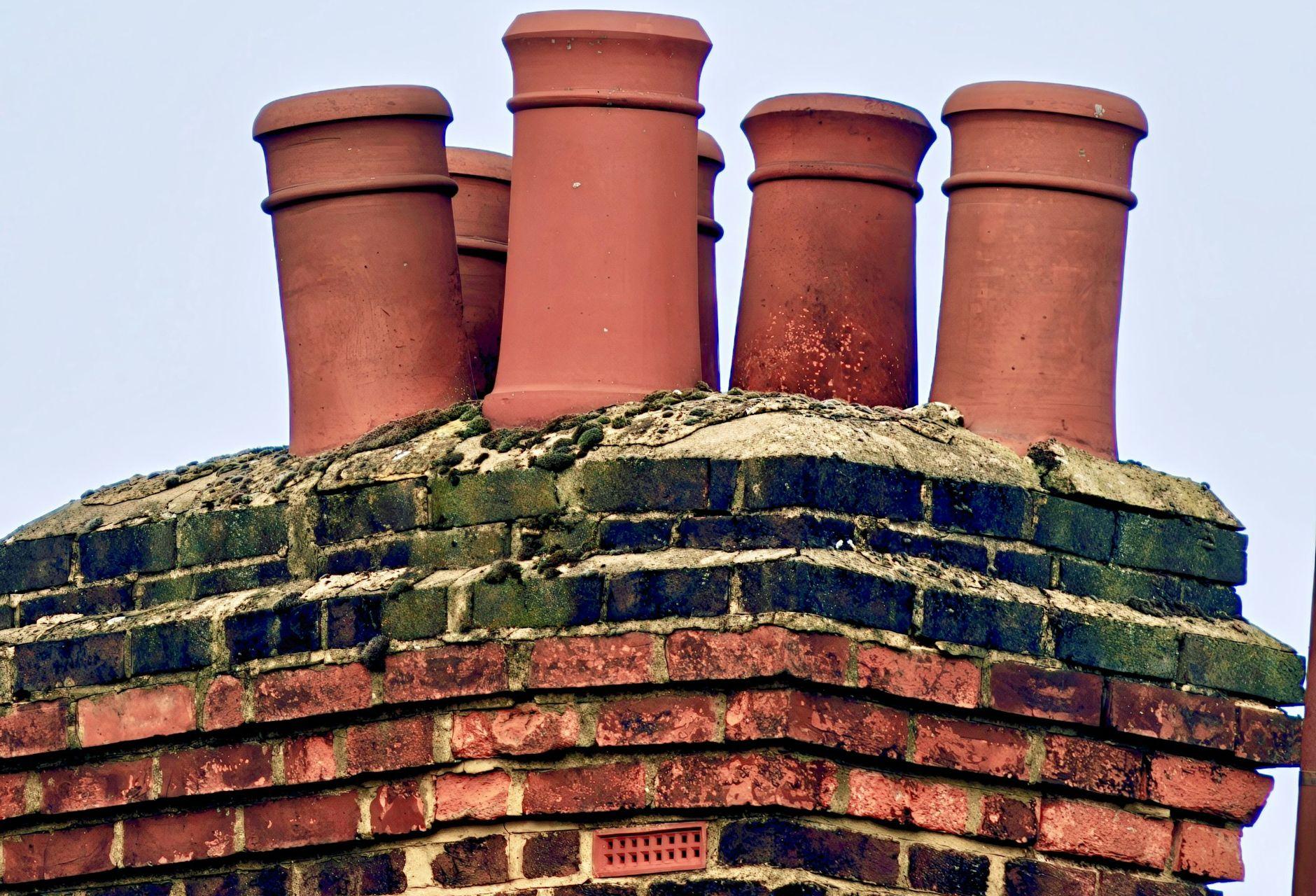
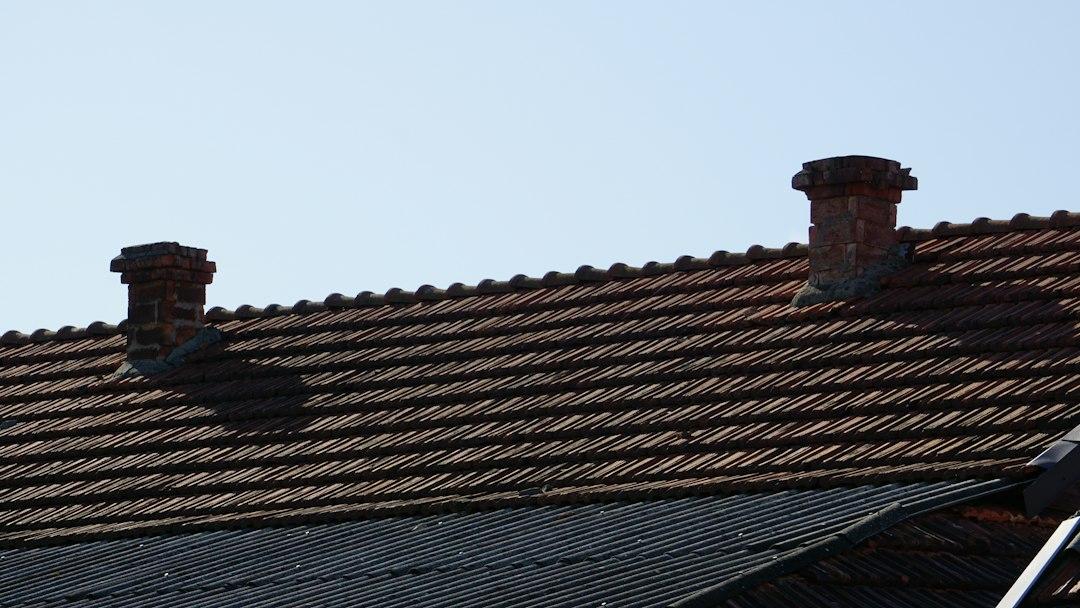
Older associations with brick chimneys see a different list: worn crowns, open joints near the top and, after Southern California's past quakes, cracks that only a camera can trace.
Next steps for the board
Our property managers and HOAs page sets out how a multi-unit visit runs. The chimney inspection and gas fireplace cleaning pages describe each visit type, and the post on rental chimney inspection costs runs the numbers.
When the scope is written, send it through the contact page and we will bid against it line for line.
Have Rentals That Need This Done?
Curtis Chimney Company works for landlords, managers and HOA boards from Westminster across Orange County: visits grouped by building, a report under each unit number, and repairs only after a signed scope.