
The tenant call
It usually arrives after the first proper storm of the winter. A tenant writes to the manager about a brown mark on the ceiling near the fireplace, or a damp smell in the living room, or water on the hearth. The quick response is to send a handyman with a tube of sealant. The mark fades, the rain comes back, and the tenant writes again, now with less patience and sometimes with photos of a bigger stain.
In a rental, each round of that costs the owner twice: once for the patch that missed and once for the trust lost with the tenant. Tracing the source before paying for a fix is the cheaper path, even though it feels slower.
Where water gets into rental chimneys
The entry points on a chimney are few, and each leaves a different trail. On the rentals we see around Westminster, these are the usual suspects.
- An open or rusted flue top. Rain drops straight in. The trail ends in the firebox: a wet smoke shelf, rust on the damper, a sour smell after storms.
- A rusted or sagging chase top. On framed chases with metal flues, common in complexes, the steel lid over the chase holds water. Once it rusts through, water runs inside the box and down onto whatever sits below.
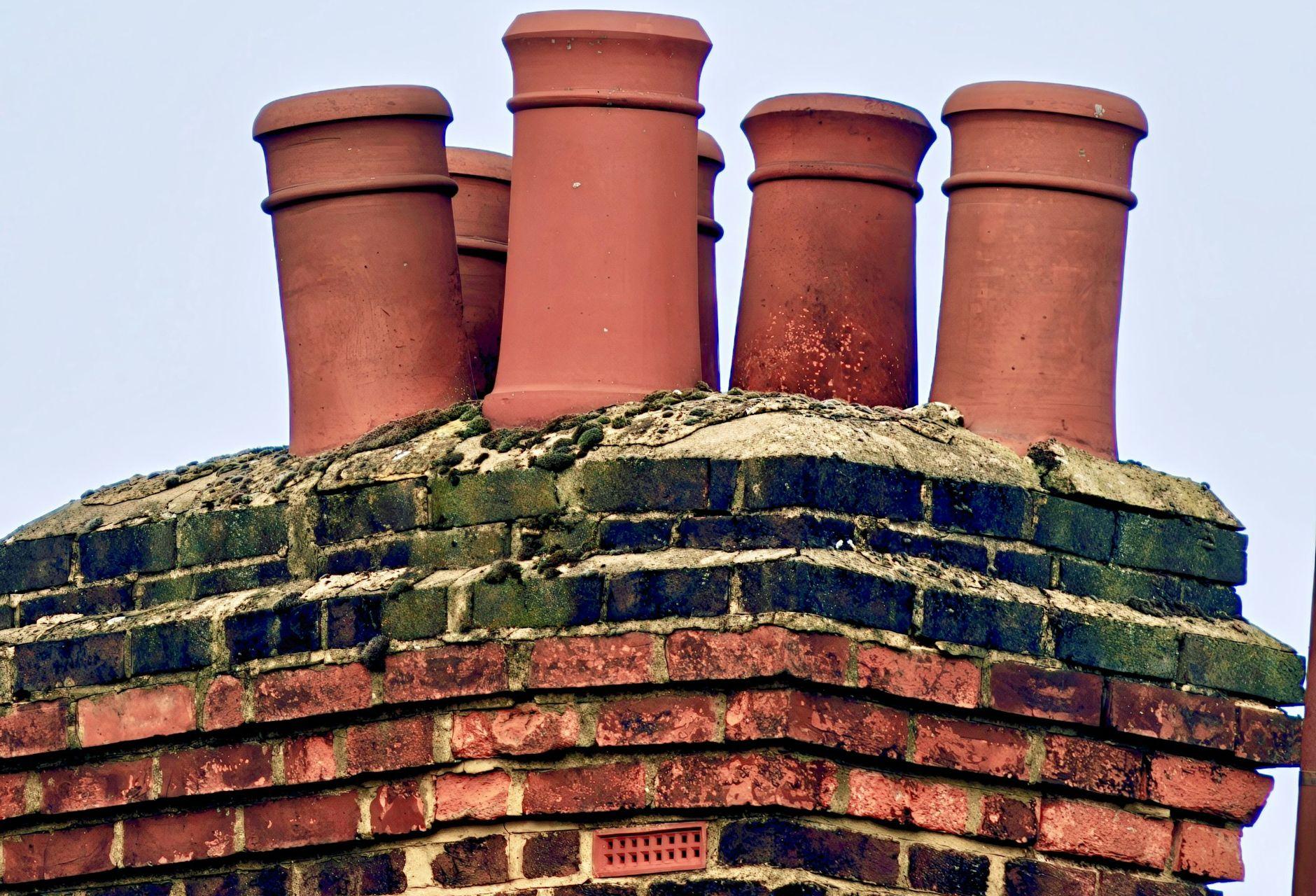
- A cracked crown. On brick chimneys, the concrete slab at the top splits with age and lets water into the masonry beside the flue.
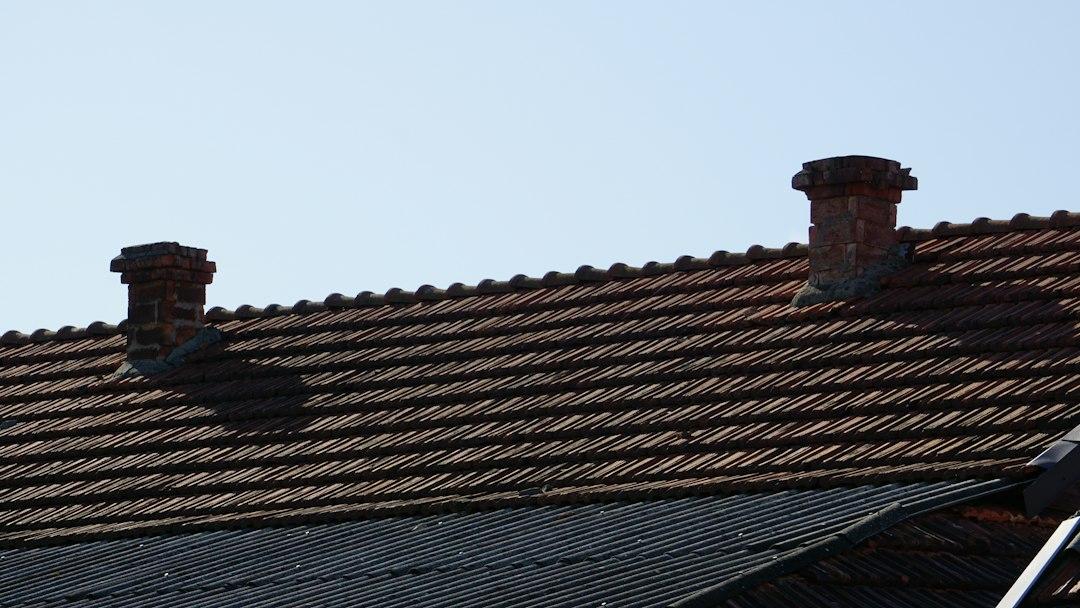
- Flashing. The metal where the chimney meets the roof lifts, rusts or was sealed with cement that cracked. The trail often shows as a stain right along one side of the chimney wall inside.
- No cricket on a wide stack. Water piles up on the high side of the chimney and finds any gap.
- Thirsty brick and open joints. Older brick and worn mortar soak up rain and pass it inward.
Many leaks have more than one source, which is why sealing the most obvious one often fails.
How we trace it
We start inside, where the tenant saw the water, and work outward. The firebox, damper and smoke shelf tell us whether water came down the flue. The attic, where reachable, shows whether it ran down the outside of the chimney. On the roof, we check the top, the flashing, the cricket if there is one and the masonry face. A Level 1 inspection at $160 often settles it. When the trail leads into the flue where only a camera can follow, the $370 Level 2 is the right tool.
Every source we find gets a photo and a line in the record.
What the repair costs
Our list prices chimney leak repair at $530 to $3,150. The low end is a single clear source fixed in one visit, such as resetting the metal along one side of the chimney. The upper end is a stack where water has found several ways in and both metal and masonry need work.
Some fixes have their own published lines:
- a cricket behind a wide chimney, $425 to $955
- a cricket together with new flashing all the way round, $635 to $1,600
- a cap over an open flue, quoted after we measure
Crown recasting, chase top replacement and water repellent on the brick are priced on a written scope once we have measured.
Use the form to give the unit, the room with the stain and the storms it followed, and we will set a tracing visit that fits the tenant's notice.
Inside damage is a separate job
Chimney leak repair stops the water. Stained drywall, bubbled paint and wet insulation in the unit are the owner's next call, and we do not do that work. What we do is note what we saw inside, so the painter or drywall crew knows the source has been closed before they start.
If a stain has been wet for a long time, the record says so. That note matters if the tenant raises mold, because it shows when the leak was reported and when it was fixed.
Access and the tenant
Most of a leak repair happens on the roof. We still ask the manager to give the tenant notice, because we may need a look inside before and after, and we may ask the tenant to watch the ceiling while water runs on the roof during a test. Tenants who are kept informed tend to report the next problem early, which is what the owner wants.
The record afterward
When the work is done, the owner gets a record with the source, the fix, the date and photos from before and after. That record is useful in three ways: it answers the tenant, it supports an insurance claim if the owner files one, and it gives the next inspector a starting point.
For buildings with shared chases, the record names which units the fix protects, so the association can file it against each.
Westminster weather and rental roofs
Westminster gets most of its rain in a short winter season, so a leak can sit hidden for months and then show up all at once. The marine air that reaches inland from the coast works on thin steel, which is why chase tops and old caps fail here sooner than further east. A dry-season look at the top of a rental chimney costs less than a winter call from a tenant.
Our chimney leak repair and chimney flashing repair pages describe the work in more detail, and the chimney cap prices for landlords post covers the smallest of the fixes.
When a tenant reports water, bring the unit and the room to our contact page and we will start the trace.
Have Rentals That Need This Done?
Curtis Chimney Company works for landlords, managers and HOA boards from Westminster across Orange County: visits grouped by building, a report under each unit number, and repairs only after a signed scope.